







Creating a home office space that feels both cozy and productive is an essential goal for many people who work remotely or spend significant time working from home. Striking a balance between comfort and effectiveness can enhance your focus and overall experience. This guide offers practical tips and ideas to help you design a home office that supports your productivity while also feeling inviting and comfortable.
Choose the Right Location
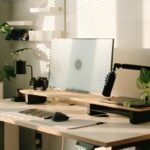
The first step in creating a functional home office is selecting the right spot. Ideally, choose a quiet area with minimal distractions where you can focus. If possible, pick a space with natural light, such as near a window, to help boost your mood and energy levels throughout the day.
If your living situation limits your options, consider using room dividers or screens to create a dedicated work zone within a shared space. The key is to separate your work area from your living area to mentally switch between work and personal time.
Invest in Comfortable and Ergonomic Furniture
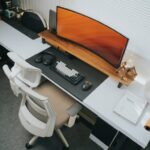
Comfort directly impacts your productivity. Invest in a good quality chair that supports your posture and offers adjustable features. Sitting comfortably reduces fatigue and the risk of back or neck pain.
Additionally, choose a desk height that suits your body and allows you to work without strain. Standing desks or adjustable desks can provide flexibility, allowing you to alternate between sitting and standing, which is beneficial for long hours of work.
Optimize Your Lighting
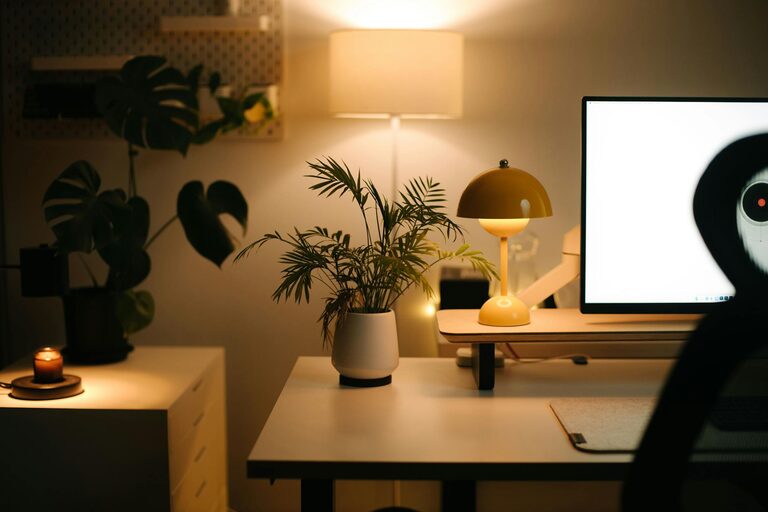
Lighting plays a crucial role in creating an inviting and productive workspace. Natural light is best, so position your desk close to a window if you can. When natural light isn’t enough, use soft, warm artificial lighting to reduce eye strain.
Consider a desk lamp with adjustable brightness for focused tasks, and avoid harsh overhead lighting or strong glare from screens. Good lighting helps maintain alertness while preventing headaches and fatigue.
Declutter and Organize
A cluttered workspace can hinder focus and increase stress. Keep your desk tidy by storing supplies, papers, and gadgets in drawers or organizers. Use shelves or filing cabinets to manage paperwork and avoid piles.
Organizational tools like trays, baskets, or desktop organizers can help you keep frequently used items within reach but neatly arranged. Establish a daily or weekly cleaning routine to maintain a pleasant, clutter-free environment.
Personalize Your Space
Adding personal touches can make your office feel cozy and inspire you to work. Simple additions such as framed photos, artwork, plants, or decorative items can make the space welcoming.
Plants, in particular, not only add color and style but also improve air quality and reduce stress. Choose low-maintenance varieties if you prefer something easy to care for. Remember to keep personalization subtle to avoid distractions.
Minimize Distractions
To create a focused environment, minimize potential distractions. Use noise-canceling headphones or play gentle background music if ambient noise distracts you.
If you share your living space with others, set clear boundaries about your working hours. Communicate your need for quiet to those around you. Turning off notifications on your phone or computer related to non-work activities can also improve your concentration.
Use Technology Wisely
Ensure your office space is equipped with necessary technology to support your work without overcrowding the area. Invest in a reliable internet connection, quality headphones, and a suitable monitor or laptop stand.
Manage cables cleverly with clips or sleeves to keep them from tangling or cluttering your desk. Choose wireless devices when possible to maximize surface space.
Create a Routine and Dedicated Work Hours
Even in a cozy setup, establishing a routine helps maintain productivity. Try to start and end your workday at consistent times to build structure.
A dedicated workspace supports this routine by psychologically separating work from leisure. When you switch off for the day, leave your workspace to help maintain balance.
Incorporate Movement Breaks
Sitting for long periods can lead to discomfort and fatigue. Incorporate short breaks every hour to stretch or take a brief walk within your home.
Some people find placing a yoga mat or small exercise equipment nearby motivates movement during breaks. Moving regularly improves circulation, refreshes your mind, and helps maintain productivity throughout the day.
—
By thoughtfully planning your home office space with comfort, organization, and focus in mind, you can create an environment that supports productive work and personal well-being. Small changes like improving lighting, investing in ergonomic furniture, and personalizing your space can make a big difference in your daily work experience. Start with these tips to build a home office that works for you.