









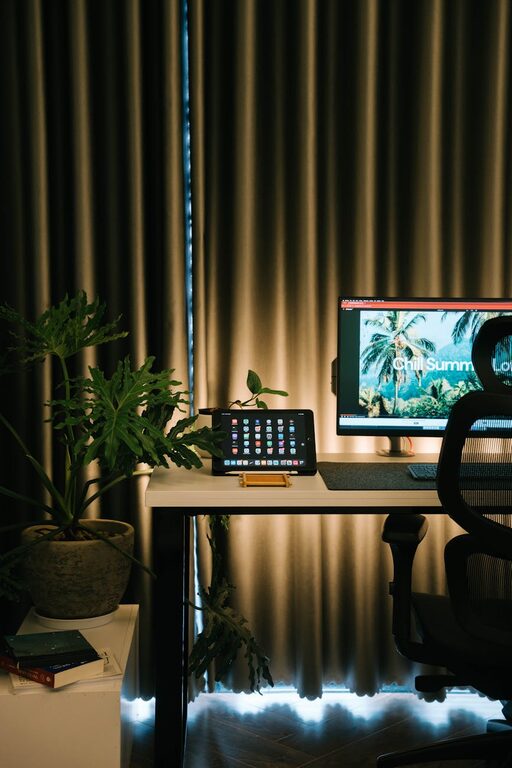
Creating a cozy and productive home office is essential for anyone working remotely or spending significant time on tasks at home. A well-designed workspace helps maintain focus and motivation, while a comfortable setting reduces stress and physical strain. Whether you have a dedicated room or a small corner, these tips will guide you in setting up an inviting and efficient home office.
Choose the Right Location
Consider Natural Light
Select a spot in your home where natural light is abundant. Daylight boosts mood and reduces eye strain. If possible, place your desk near a window to take advantage of sunlight while avoiding direct glare on your screen.
Minimize Distractions
Find a quiet area away from household noise and foot traffic. This will help you maintain concentration and minimize interruptions throughout the workday.
Invest in Comfortable and Functional Furniture
Ergonomic Chair and Desk
Comfort is crucial for long hours at a desk. Choose an ergonomic chair that supports your back and encourages good posture. A desk with enough surface area will accommodate your computer, documents, and other daily essentials without clutter.
Adjustable Setup
If possible, use an adjustable desk or ergonomic accessories to switch between sitting and standing positions. This flexibility can improve circulation and reduce discomfort.
Organize and Declutter Your Workspace
Use Storage Solutions
Keep your workspace tidy with shelves, drawers, and organizers. Designate specific places for office supplies such as pens, papers, and chargers to prevent clutter buildup.
Limit Decor and Personal Items
While personal touches make your space inviting, too many can distract you. Choose a few meaningful items like plants or artwork that inspire positivity and focus.
Enhance Lighting for Different Tasks
Layered Lighting
Combine ambient lighting with task lighting. A desk lamp with adjustable brightness can reduce eye strain when reading or writing documents, while ceiling lights brighten the overall room.
Avoid Harsh Glare
Make sure your lighting is evenly distributed to avoid reflections on your computer screen. Soft, warm light is generally more comfortable for long work sessions.
Incorporate Elements for Relaxation
Add Greenery
Plants improve air quality and create a calming environment. Low-maintenance options like succulents or pothos are great for busy professionals.
Use Soft Textures
Include cozy accessories such as cushions, a throw blanket, or a small rug. These elements add warmth and comfort to your office space.
Personalize Your Space Wisely
Choose a Color Scheme
Select calming colors such as blues, greens, or neutrals to create a peaceful atmosphere. Avoid overly bright or distracting colors that can interfere with concentration.
Display Inspirational Items
Keep motivational quotes, vision boards, or calendars where you can easily see them. These reminders can encourage you to stay on task and pursue your goals.
Maintain Healthy Habits at Your Desk
Take Regular Breaks
Set a timer to remind yourself to stand up, stretch, or walk around every hour. This helps prevent fatigue and improves overall well-being.
Keep Hydrated and Nourished
Keep a water bottle nearby and have healthy snacks handy. Staying hydrated and fueled supports cognitive function and energy levels.
Use Technology Wisely
Optimize Your Computer Setup
Adjust your monitor to eye level to avoid neck strain. Use external keyboards and mice if needed to facilitate comfortable hand positioning.
Minimize Digital Distractions
Limit notifications and use apps that block distracting websites during focused work periods. Organize files and bookmarks to improve efficiency.
Final Thoughts
Designing a home office that balances coziness and productivity takes some planning but is well worth the effort. By choosing the right location, investing in quality furniture, organizing thoughtfully, and incorporating calming elements, you can create a space that supports both your comfort and focus. Remember, a well-crafted home office not only enhances your work performance but also contributes positively to your overall well-being.
Start small, experiment with what works best for you, and enjoy the process of crafting your perfect workspace!