









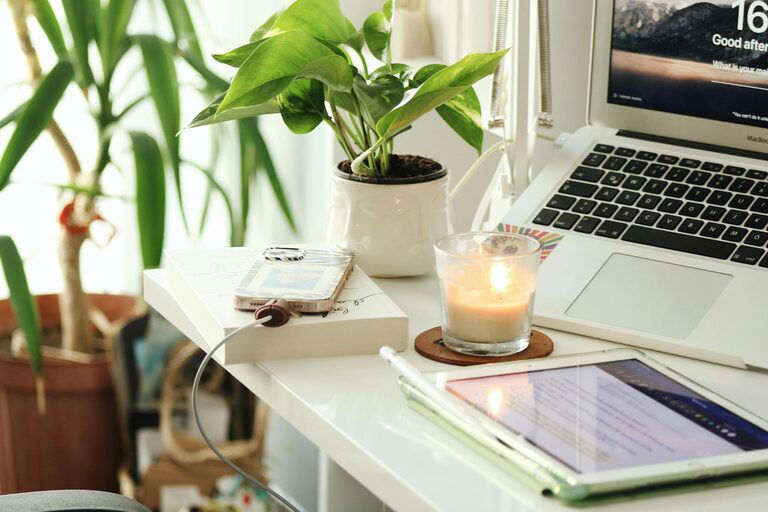
Creating a home office that feels both cozy and productive can greatly enhance your work-from-home experience. Whether you have a dedicated room or a small corner in your living space, thoughtful design and organization can transform the area into a place you enjoy spending time in. In this post, we’ll explore practical tips to help you set up a home office that supports focus and comfort.
1. Choose the Right Location
When selecting a spot for your home office, consider the following:
– Natural Light: Position your desk near a window if possible. Natural light helps reduce eye strain and can boost your mood.
– Quiet Area: Pick a space with minimal noise to avoid distractions.
– Space Availability: Ensure you have enough room for your desk, chair, and any other essentials without feeling cramped.
If a full room isn’t available, even a well-organized nook in the bedroom or living room can work well.
2. Invest in Comfortable Furniture
Comfort plays a big role in productivity and well-being during work hours.
– Ergonomic Chair: Choose a chair that offers good lumbar support and adjustable features to maintain proper posture.
– Desk: Select a desk at the right height – your elbows should be at a 90-degree angle when typing. If possible, consider a sit-stand desk to alternate your position.
– Footrest: If your feet don’t comfortably reach the floor, a footrest can improve posture.
Comfortable furniture reduces fatigue and helps maintain focus throughout the day.
3. Organize Your Space Efficiently
A clutter-free environment encourages productivity. Here are some ways to keep your home office tidy:
– Storage Solutions: Use shelves, filing cabinets, or storage boxes to keep documents and supplies organized.
– Cable Management: Use clips or cable organizers to keep wires untangled and out of sight.
– Desk Essentials: Keep only items you use daily on your desk to avoid clutter.
Labeling storage containers and regular decluttering sessions can help maintain order over time.
4. Personalize Your Workspace
Adding personal touches can make your office feel warm and inviting:
– Artwork or Photos: Hang inspiring artwork or display photos that make you feel happy.
– Plants: Indoor plants improve air quality and add a calming touch.
– Colors: Choose colors that motivate you. Soft blues and greens tend to be calming, while yellows and oranges can stimulate creativity.
Personalizing your space can increase motivation and reduce stress during work hours.
5. Optimize Lighting
Proper lighting is essential for reducing eye strain and keeping energy levels up.
– Task Lighting: Use a desk lamp with adjustable brightness to focus light where you need it.
– Ambient Lighting: Supplement natural light with overhead lights or floor lamps to ensure your space is evenly lit.
– Avoid Glare: Position screens to minimize glare from windows or lights.
Adjustable and layered lighting lets you customize your environment throughout the day.
6. Minimize Distractions
Staying focused at home can be challenging. Here are some strategies:
– Defined Work Hours: Set clear start and end times to separate work from personal life.
– Noise Reduction: Use noise-cancelling headphones or soft background music if ambient noise is distracting.
– Limit Digital Distractions: Use apps or browser extensions that block distracting websites during work hours.
Creating boundaries helps you maintain productivity and work-life balance.
7. Incorporate Technology Wisely
Having the right technology can streamline your workflow.
– Reliable Internet: Ensure your Wi-Fi connection is strong and stable.
– Efficient Equipment: Invest in a good computer, monitor, keyboard, and mouse that suit your workload.
– Cable Access: Arrange outlets and charging stations so they are easily reachable without cluttering your space.
Keeping technology organized and up to date can prevent frustration and boost efficiency.
8. Take Breaks and Move
To stay productive, it’s important to take regular breaks and change your posture.
– Scheduled Breaks: Use timers to remind you to stand, stretch, or walk around every hour.
– Stretching: Simple stretches can reduce stiffness and improve circulation.
– Break Area: If possible, have a separate space for breaks to mentally distinguish work time from rest time.
Regular movement helps maintain your focus and overall health.
—
By thoughtfully designing your home office with comfort, organization, and inspiration in mind, you can create a space that supports both productivity and well-being. Remember that your work environment can evolve over time, so feel free to adjust as your needs change. Happy decorating and working!